Questions about representation sometimes surface through pop culture. In the context of some larger conversations around South Asian representation in American media, I wrote an essay for The Establishment reflecting on the character of Apu Nahasapeemapetilon from The Simpsons. The essay is inspired by Hari Kondabolu’s upcoming documentary The Problem with Apu, which examines the cultural impact of Apu, and his enduring legacy.
A lot of the public discussion about Apu focuses on his accent, and the mockery in his portrayal but there’s another dimension to Apu that has long shaped South Asian American experiences: the model minority myth. Apu’s character embodies a rarely discussed contradictory pairing: he’s both a symbol of immigrant perfection (overqualified, happy to succeed in American industry), and also positioned as the butt of a joke. Visible, but flattened and caricaturized to an extreme.
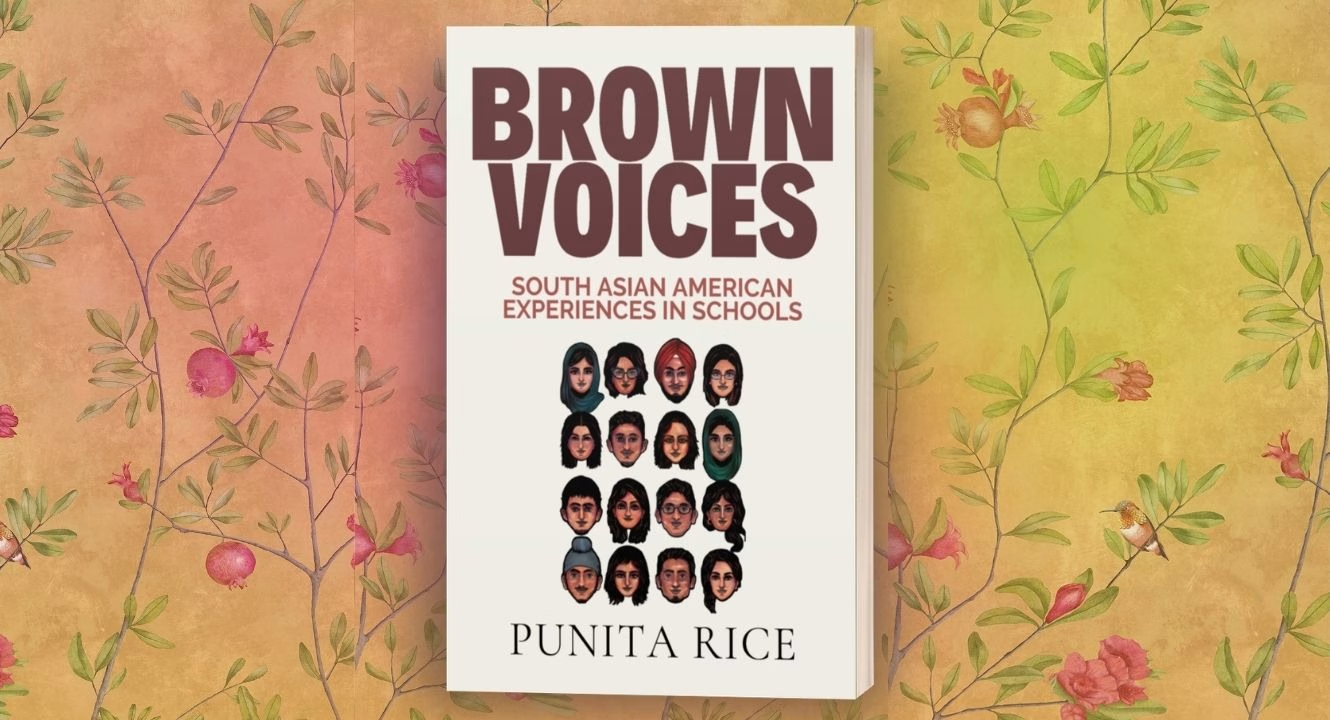
The essay reflects a broader question that sits at the heart of my research and writing: how stereotypes shape public perception (including the perception of teachers!), and in turn, the lived experiences of South Asian American students in schools.
You can read the full piece here:
→ The Problem with Apu is a Problem with America
This essay was originally commissioned and published by The Establishment, a digital magazine that has since ceased publication. The piece is preserved here in its original form.
A note on writing publicly
In 2017 wrote an op-ed that was published in The Baltimore Sun, on the travel ban, sharing my perspective. I got the usual mix of responses: polite emails of disagreement (some of which led to genuinely good conversations), and some less-than-polite messages on Twitter (including some obscenities, because, you know… internet).
A few things I’ve come to think about that experience:
Respectful disagreement isn’t the problem. When people emailed thoughtfully, I responded thoughtfully, and in some cases we ended up in real conversation. That’s what public writing is for.
Hostile messages are easier to absorb when you understand they’re not actually about you. The person yelling at a stranger online is rarely responding to the substance of what that stranger wrote but to a projection in their own head. Even the occasional *%#& you! or similar hate message isn’t always that offensive because it isn’t really about you, and so it’s easier not to internalize. Recognizing that doesn’t make the messages disappear obviously but it does change their impact.
I also think it’s true that women of color writing publicly are not working under the same conditions as everyone else. Obviously, men with polarizing stances are attacked too, but women, and especially women of color, face a disproportionate volume of personal, identity-based hostility.
Which brings me to the question I keep returning to: how do public-facing women, particularly women of color, sustain meaningful work in the face of that reality?
The most useful answer I’ve found is this: sustained focus on the work itself, not the noise around it, is the most effective response to criticism.
Engagement with hostility is not usually productive, right? But continuing to focus on what you want to say, in spite of the noise directed towards you, is actually useful.
Public writing inevitably creates visibility, and visibility often invites projection, disagreement, and criticism. Over time, I’ve become more interested in the question of how people continue meaningful work despite that reality, particularly women and people of color in public-facing spaces online.