South Asian American Experiences in Schools
The model minority myth and its impact on student support.
Findings on South Asian American Experiences in Schools
This page presents selected findings from my dissertation research on the K–12 experiences of South Asian American students in U.S. schools. Drawing on students’ retrospective reflections, these data illustrate how low teacher cultural proficiency, especially belief in the model minority myth, shapes the support students receive in classrooms.
Across achievement levels, South Asian American students described being misunderstood, overlooked, and/or placed under pressure based on assumptions about their backgrounds rather than their actual needs. Collectively, these findings point to persistent gaps in academic, executive functioning, and socioemotional support, and underscore why cultural proficiency matters in everyday educational practice.
What is the Model Minority Myth?
The model minority myth is the stereotype that Asian students are uniformly high-achieving—highly intelligent, capable, respectful, and hardworking. The model minority myth is a false and harmful stereotype that negatively affects Asian American students across achievement levels. Yet many educators assume Asian American students fit this description.
Findings: Impact on Student Support
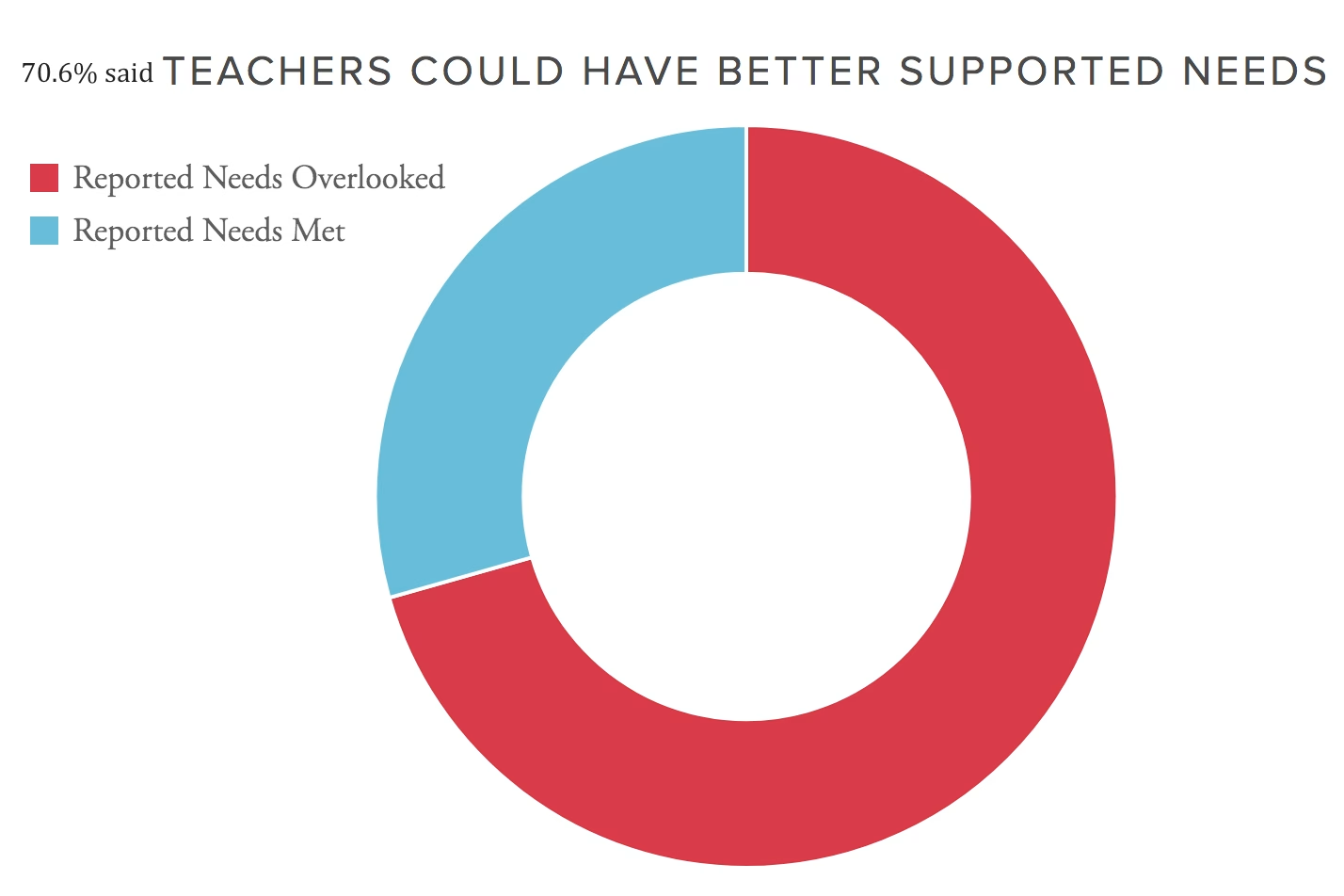
Belief in the model minority myth, and the tendency to overgeneralize about South Asian and Asian American students, can lead educators to assume these students need less academic and developmental support. As a result, students’ needs are often overlooked.
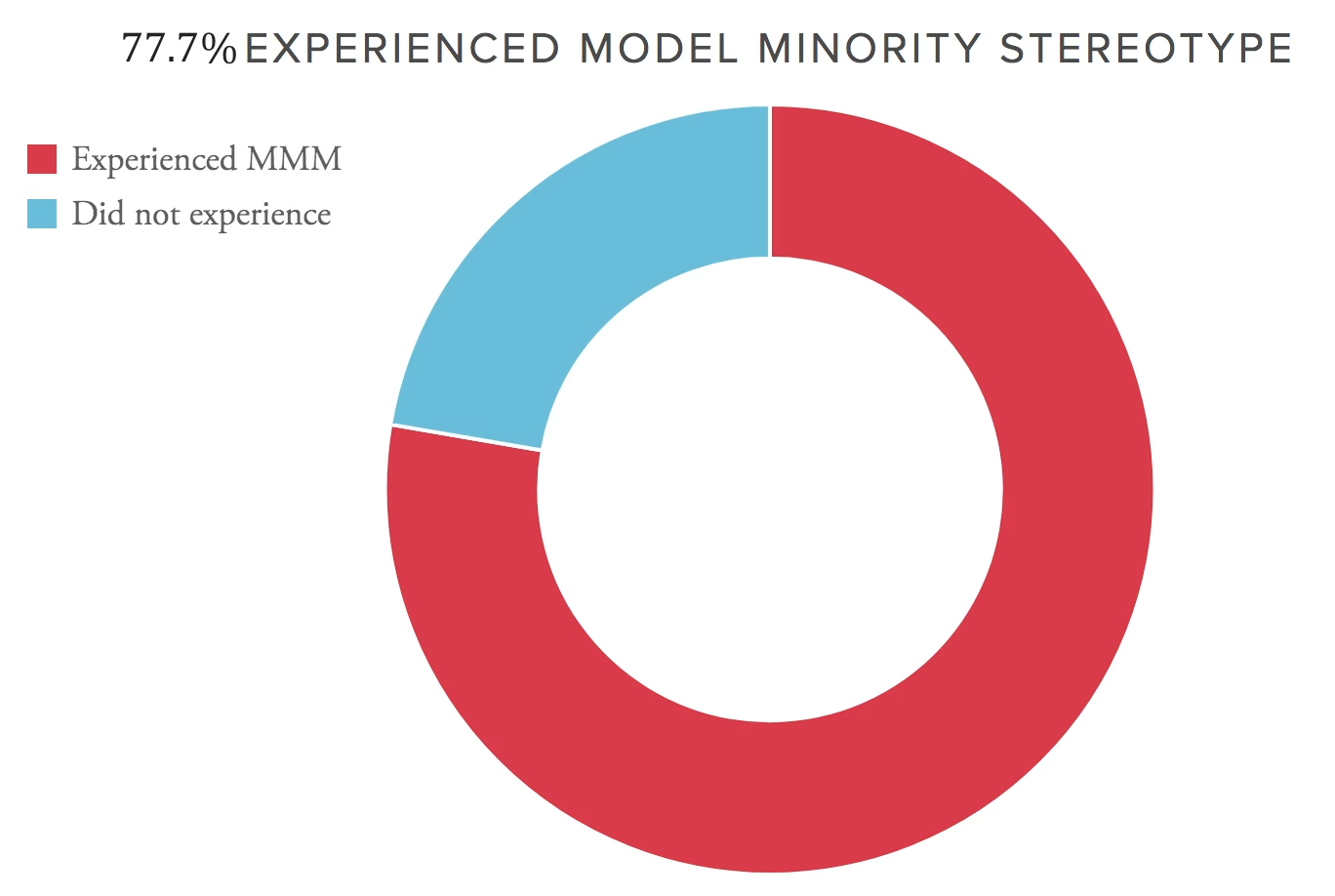
Belief in the Model Minority Myth
The model minority myth is the stereotype that Asian students are uniformly high-achieving—highly intelligent, capable, respectful, and hardworking. The model minority myth is a false and harmful stereotype that negatively affects Asian American students across achievement levels. Yet many educators assume Asian American students fit this description.
In my research, 77.7% of South Asian American participants reported that their teachers appeared to believe the model minority myth, often perceiving them as smarter than their peers.
When teachers believe this myth, they may assume Asian American students need less academic, executive functioning, or socioemotional support, and two patterns emerge:
Lower-achieving students may become or feel invisible and unsupported.
High-achieving students often experience increased pressure without individualized understanding or care.
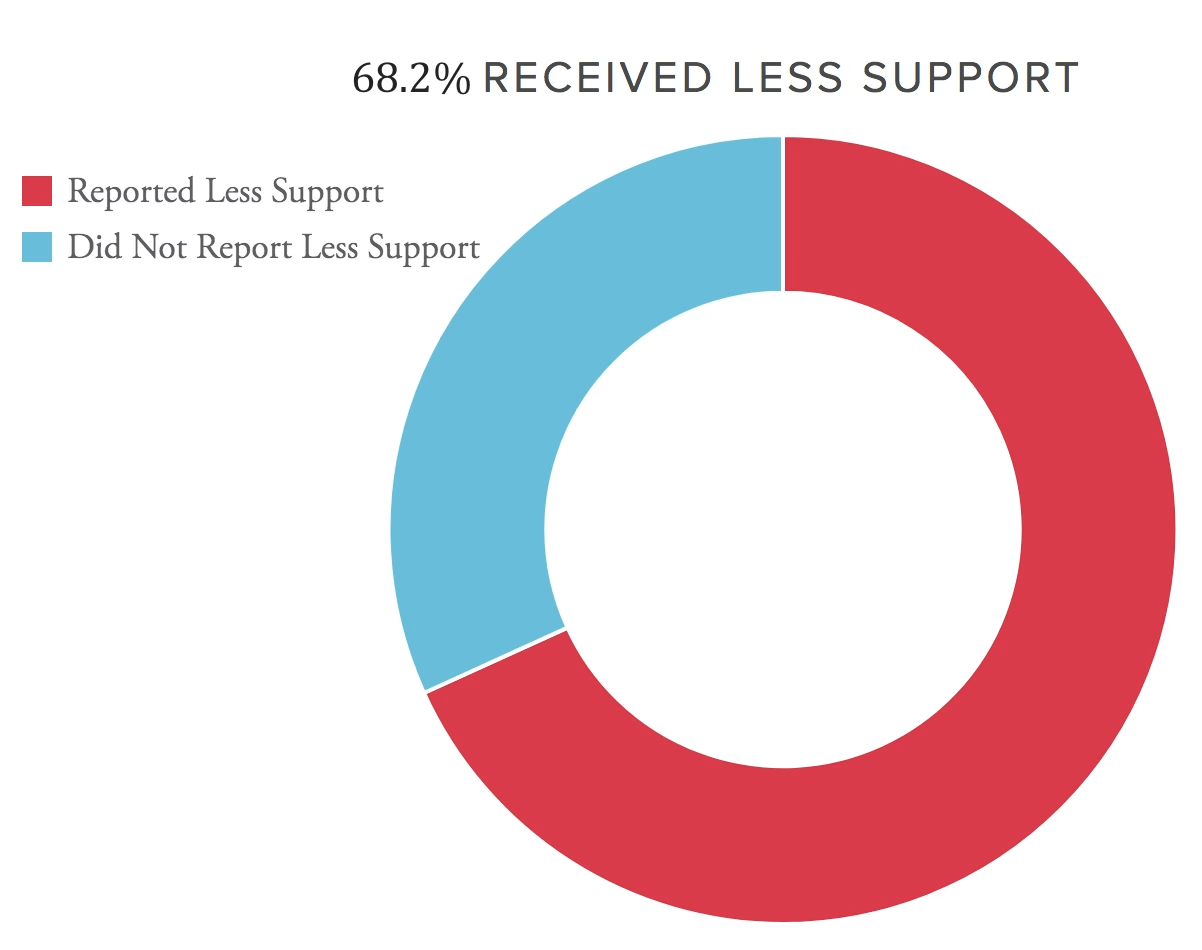
Receiving less support
For students who do not fit the stereotype, experience academic difficulty, or have special needs, this assumption is especially harmful and can result in insufficient or absent support.
How high achieving students are impacted
Findings: Gaps in Executive Functioning Support
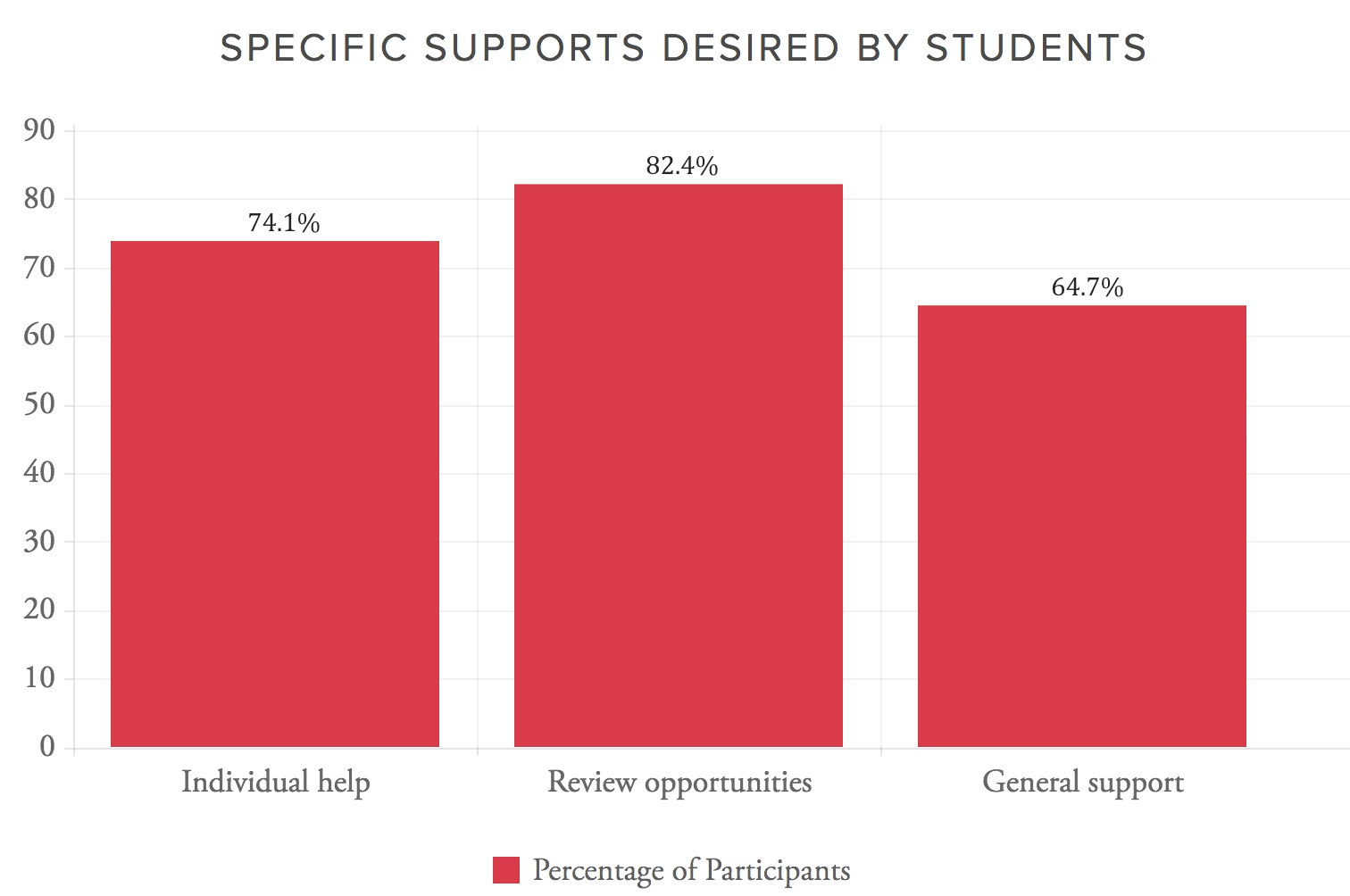
Participants also identified specific areas of support they would have benefited from receiving.
Specific supports participants wanted
Individualized help
Review opportunities
General support
These desired supports are basic, foundational instructional supports that all students benefit from.
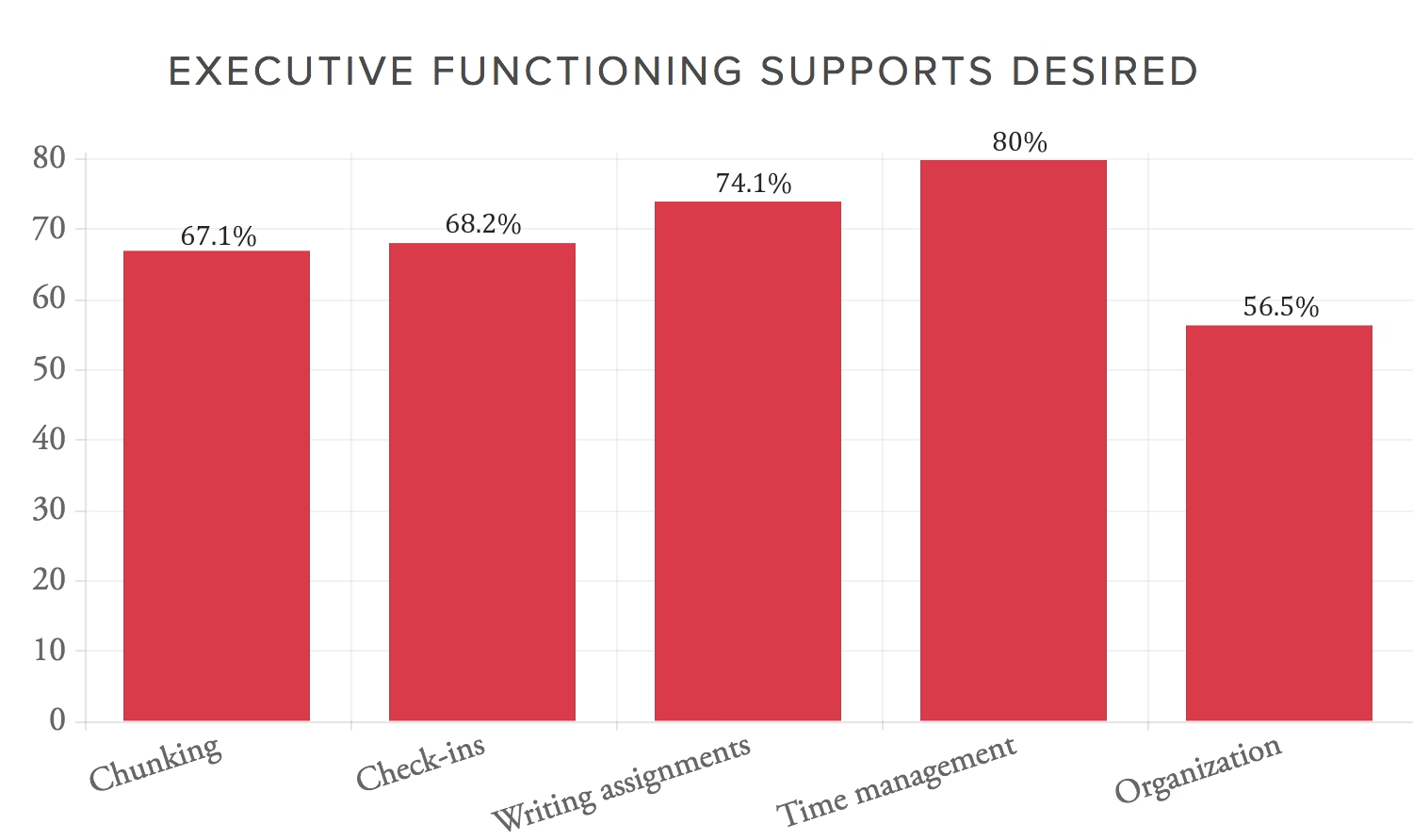
Specific executive functioning supports participants wanted
Clear, chunked instructions
Check-ins on progress during classwork
Support with writing assignments
Support in managing time on assignments
Support in developing organizational skills
While these expressed desires for specific supports are may, at first glance, seem to be highly specialized, they are in fact widely considered best practices in teaching.
Findings: Cultural Proficiency and Teacher Understanding
Additional findings reinforce this pattern:
81.2% felt teachers knew little about them compared to students from other backgrounds
63.5% reported teachers made assumptions based on their background
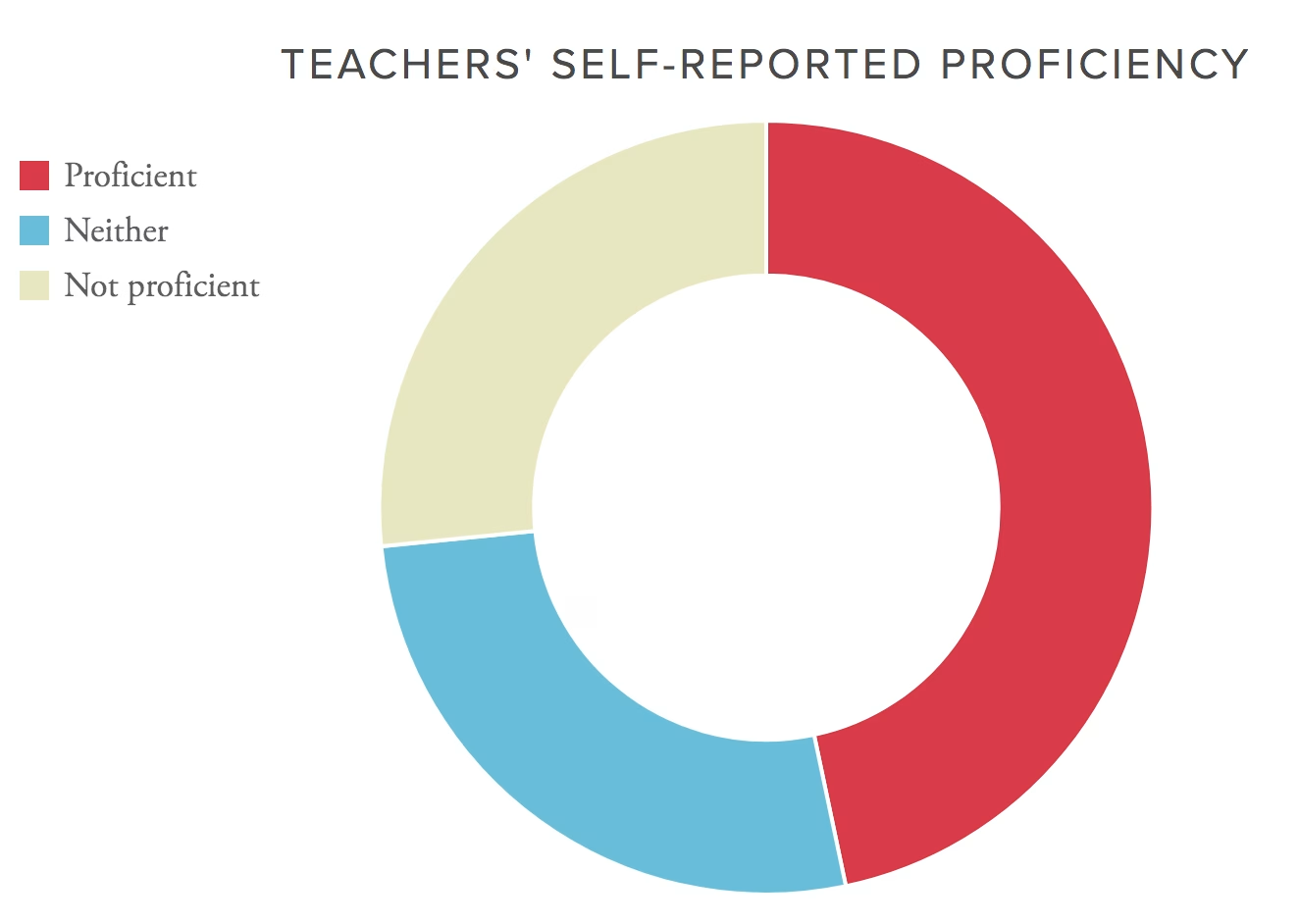
Findings: Teachers’ Self-Reported Cultural Proficiency
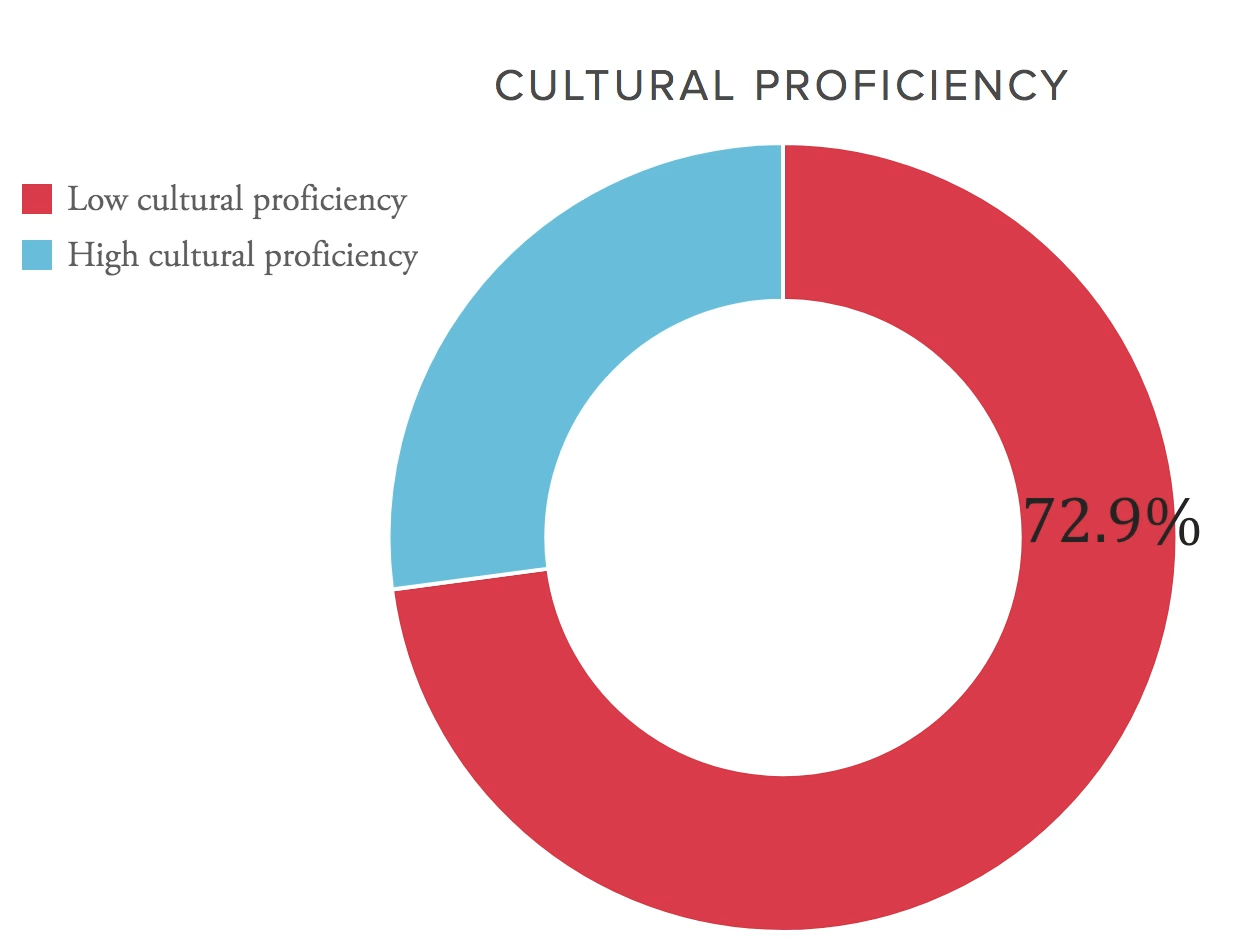
Key findings from the teacher survey include:
27% reported lacking cultural proficiency
27% reported feeling neutral
Taken together, these findings indicate that over half of teachers did not identify as culturally proficient in relation to South Asian American students.
Importantly, 87% of teachers indicated they would benefit from learning more about South Asian American students. Although exploratory, this suggests openness to professional learning and aligns with student reports of unmet needs and limited teacher understanding.
How Educators Can Use This Research
Saloni Nahar on Community, Representation & What it Looks Like When School Gets it Right
What the Therapy Room Reveals: A Conversation with Pinkal Panchal on South Asian Kids & Family Pressure
Brown Voices Preorders Are Open!
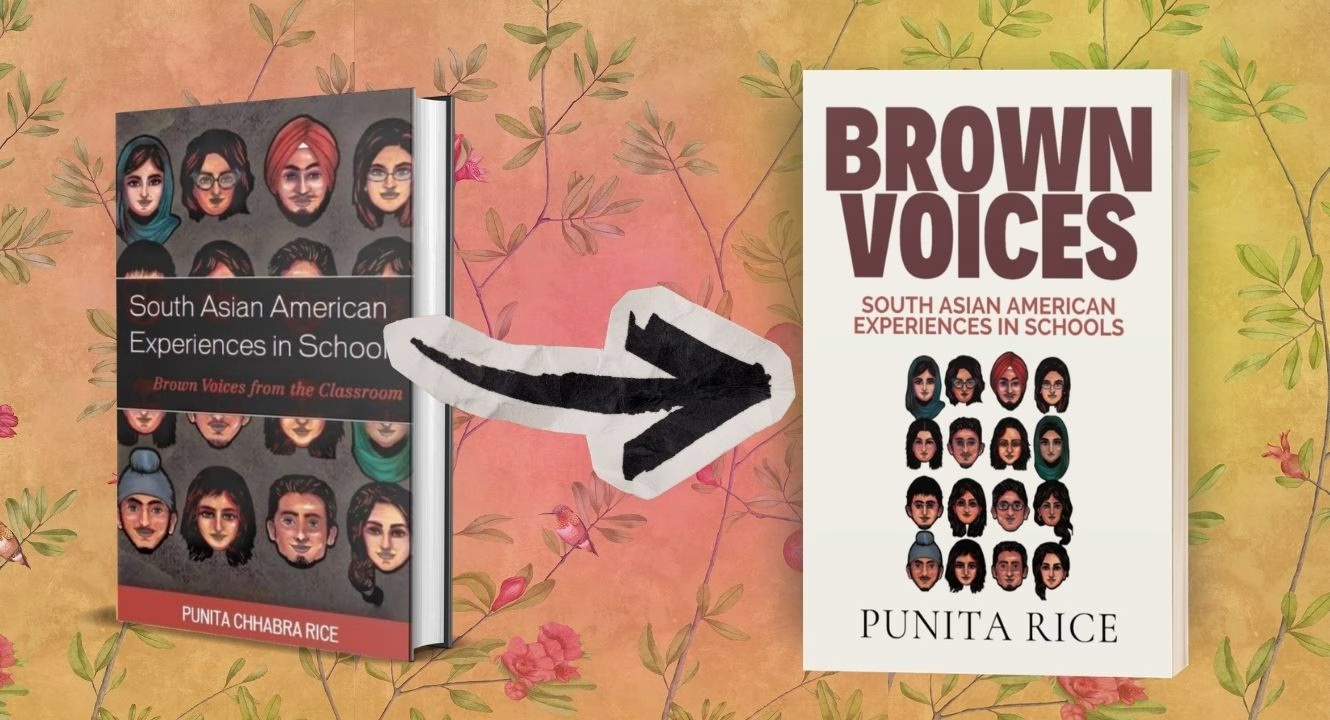
Brown Voices Is Rereleasing This Fall — Here’s What’s New
The Brown Voices Reversion Saga: Why I Spent 5 Years Fighting to Get My Own Book Back
Want the full picture?
Explore The Brown Voices Project →
Learn more about Brown Voices the book
→ Learn More About the Book
Brown Voices: South Asian American Experiences in Schools combines original research with deep examination of existing scholarly and popular works to offer a look at what it means to be Brown in American K-12 schools.
Watch the Brown Voices conversations