
I wrote this in 2019, while I was still writing Brown Voices. It explains the idea at the heart of the book, and where it unexpectedly came from.
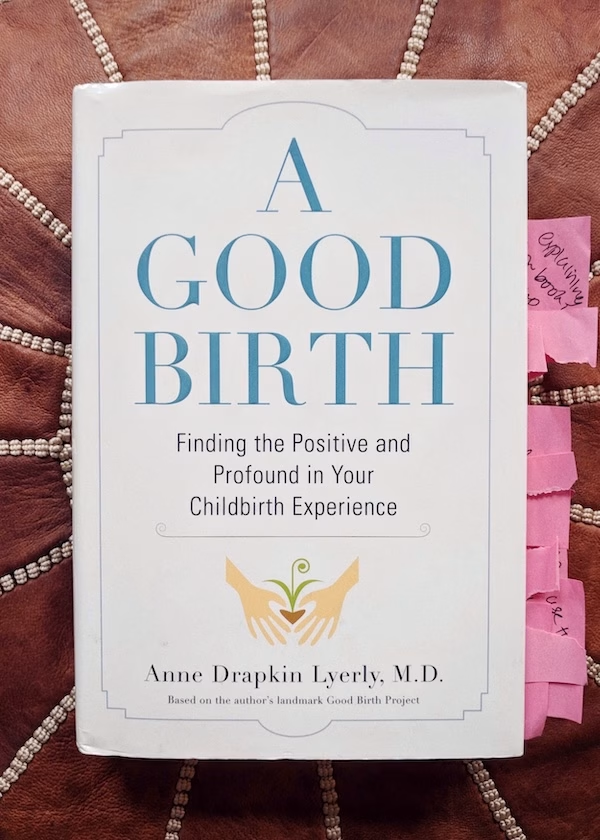
I read an amazing book called A Good Birth by Dr. Anne Drapkin Lyerly. It’s a book about, as you’d expect, childbirth.
Most conversations about childbirth focus on outcomes: Is the baby healthy? Is mom healthy? And those outcomes (healthy baby, healthy mom)—vital though they are; thankful for them though we may be—are not the only ones that matter.
A birth experience can include all kinds of messy feelings: physical trauma, joy, fear, excitement, distress, exhaustion, empowerment, frustration, exhilaration, loss of agency, and so on. A Good Birth doesn’t focus on the “is the baby healthy/is mommy healthy” questions. Instead it asks: “what was the experience like?”
And almost as importantly: Does the experience itself matter, even when the outcome is “good”?
The answer, throughout the book, is yes.
The experience is the point
At the time, I was still writing Brown Voices, my book on South Asian American experiences in K–12 schools. My research focuses on experiences, rather than outcomes.
But I’ve still struggled with how to make this clear in my book. Aggregated research on South Asian Americans’ outcomes leads people to believe that “all Brown people are high performers and therefore they do not need help” (the model minority myth).
But it was unexpectedly, this book (about birth!!!) that has been so unapologetically and unequivocally clear about the importance of experience that has helped me figure out how to make this more clear in my own writing:
Without equivocating. The experience of a thing—how it feels when it’s lived—may not be secondary to the outcome. It may not be an aside. The experience can be an entire thing itself.
In a lot of cases, including in the case of my research, the experience is the point.
What this means for my work…
In education, we often focus on outcomes:
Grades. Test scores. Colleges. Salaries. But those outcomes don’t fully capture what it means to be a student. What about…
- the pressure students face
- what it means to be a kid who feels consistently misunderstood
- how it feels to have your needs go unnoticed
- having learning challenges go unsupported
Outcomes don’t capture experience.
A Good Birth focuses on something that’s true but not always acknowledged: the experience of childbirth matters on its own.
Being able to see this so clearly has helped sharpen my own writing and has made me less equivocating in my assertions that student experiences are not secondary to outcomes; they matter on their own.
This has been wildly helpful, and also so serendipitous that a book I was reading about childbirth helped me in writing my academic book. Inspiration really does come from funny places.
That idea, that the experience is the point, became the foundation of Brown Voices: the research asked South Asian Americans what school was actually like for them, not just how they performed. Read about the book, or see what the research found.